
Ethnobotanical Garden
of Museu Terra
An engaging and educational space
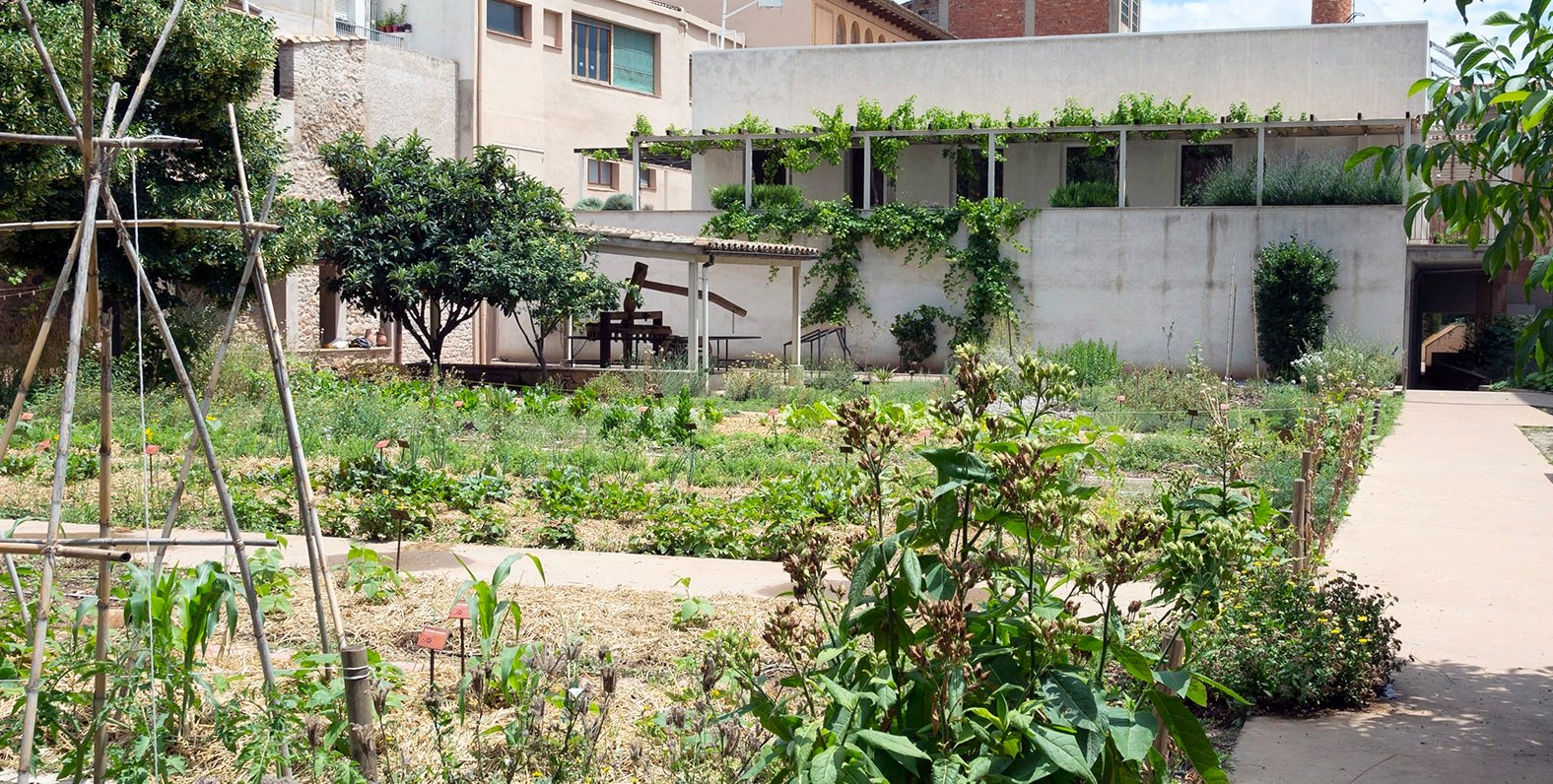
The ethnobotanical garden of Museu Terra was created with a dual purpose: to recover the memory of the uses that certain plants have had locally and throughout history, and to help understand the plants in our environment and raise awareness about the importance of preserving them.
Humans and plants have been in a close relationship throughout history. From this bond have emerged traditional knowledge about the use of plants, ways of relating to biodiversity and the landscape, as well as words, sayings, songs, and mythological tales. The natural and social science that studies these relationships between human societies and the plant environment is ethnobotany.
More than 200 species
The importance of this discipline for the recovery of local knowledge is becoming increasingly evident, a knowledge that needs to be preserved and conveyed to an increasingly urban society disconnected from the rural world and the plant landscape.
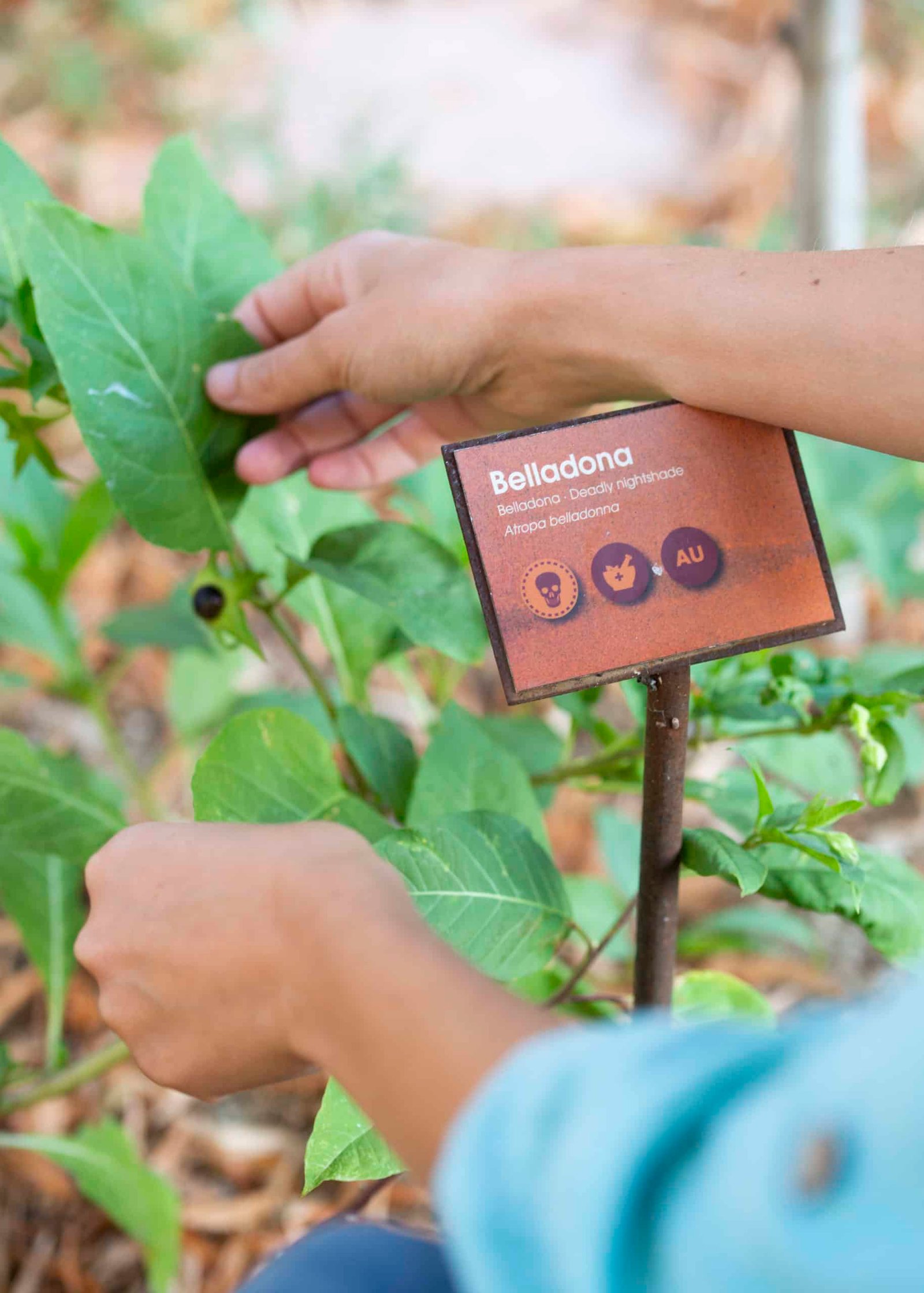
Through ethnobotanical research, based on archival documents, local studies, and interviews with people from L'Espluga de Francolí and nearby towns, data has been collected on the popular knowledge about some 200 plant species. Edible, medicinal, and veterinary species, plants used for crafts and technology, plants with symbolic value, and even toxic species make up the garden of Museu Terra. In addition to conveying and teaching the knowledge gathered from the oral testimonies of our region, the ethnobotanical garden aims to become a space for living memory and reflection on the present and the future we want to build.
The plants in the ethnobotanical garden will invite you to travel to the ecosystems where they grow, to imagine the ancient gestures of maintenance and harvesting around them, the conversations between neighbors about their uses, their role in life before, and all that they can still teach us to manage the world around us differently. The garden plants speak to us, tell us stories, and take us back to specific eras. This research and garden design work has been carried out by the cooperative Els Corremarges, an entity from Conca de Barberà dedicated to protecting and improving biodiversity, by recovering and promoting popular knowledge about vegetation.

Eleven zones
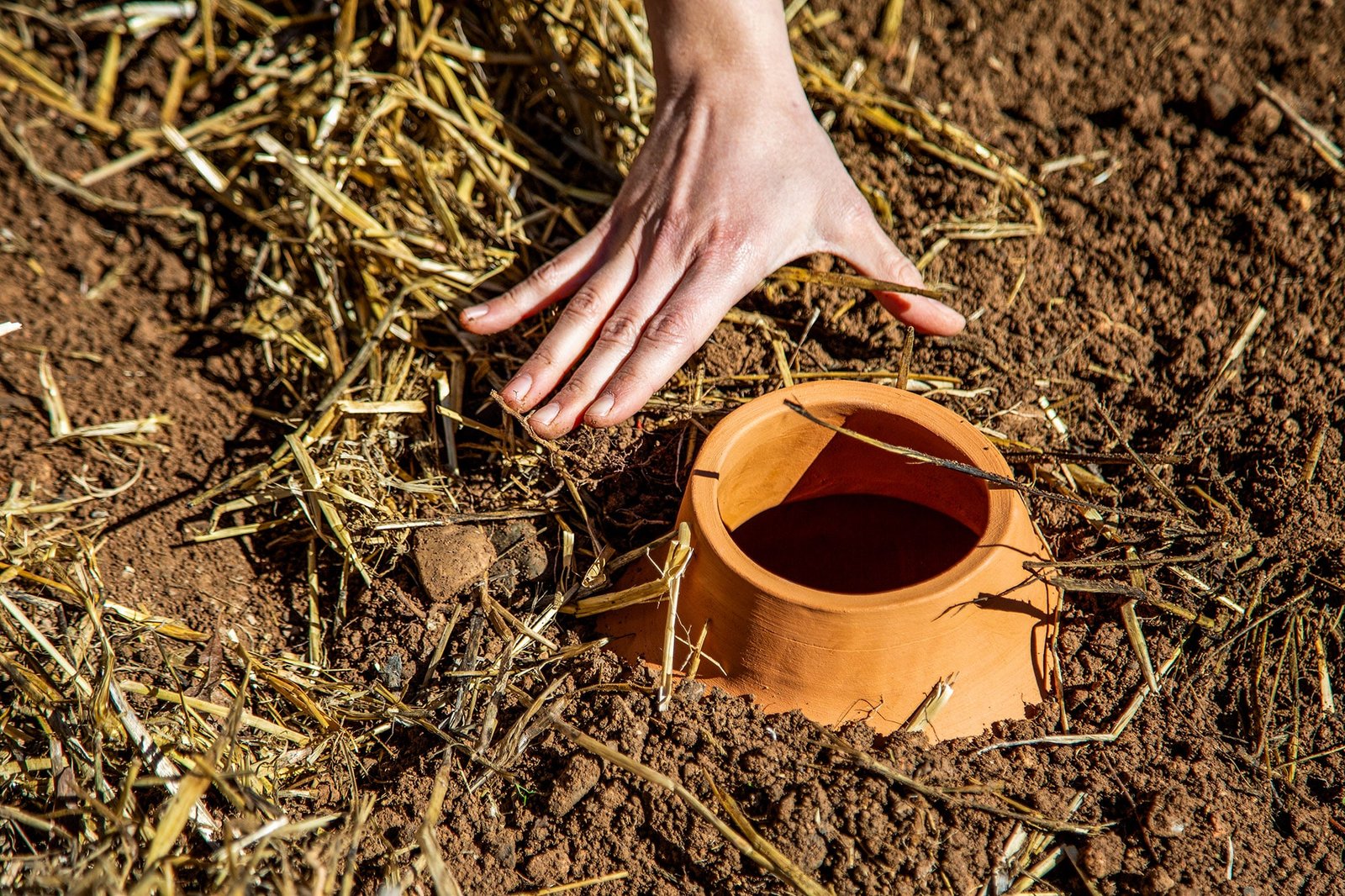
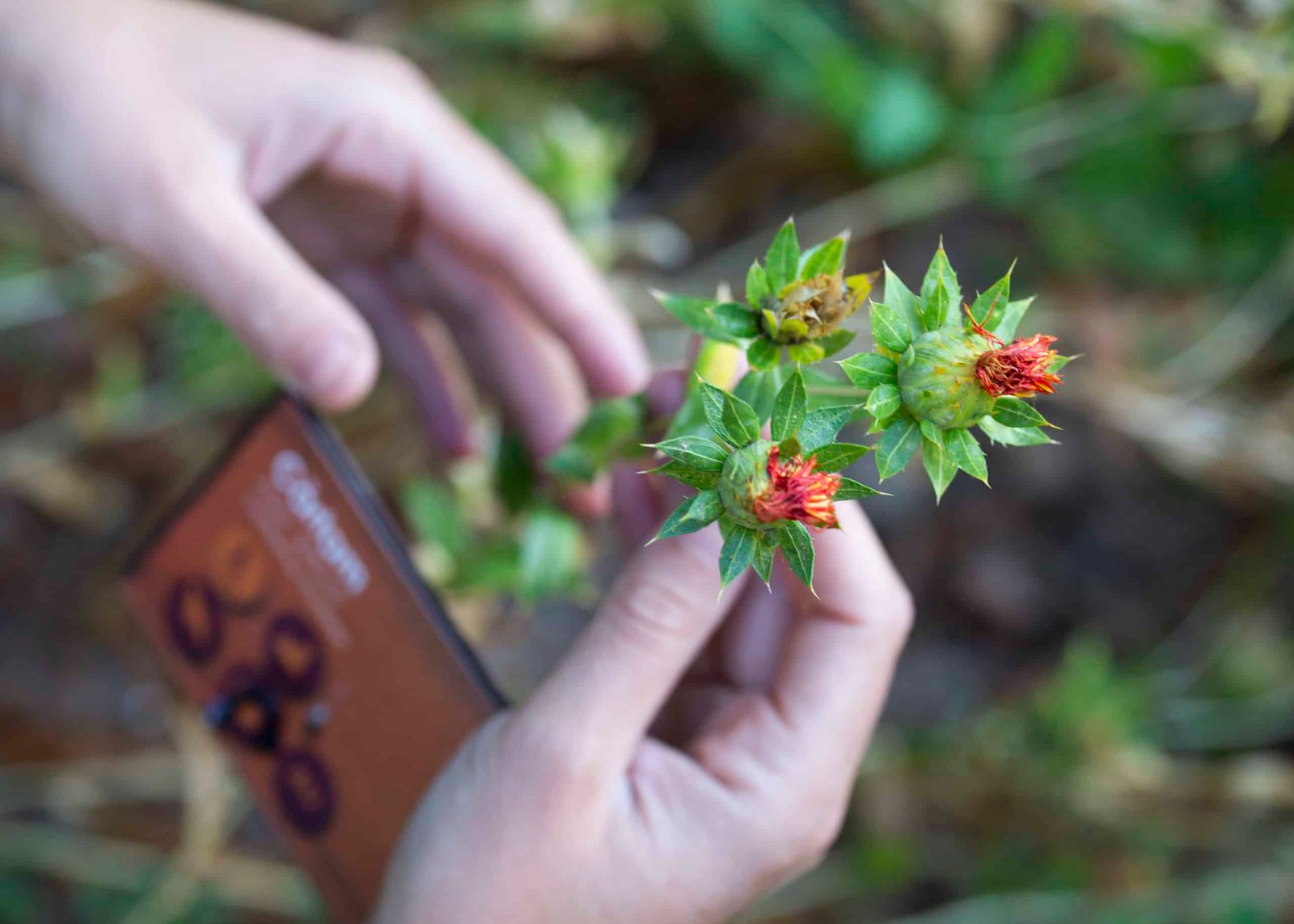
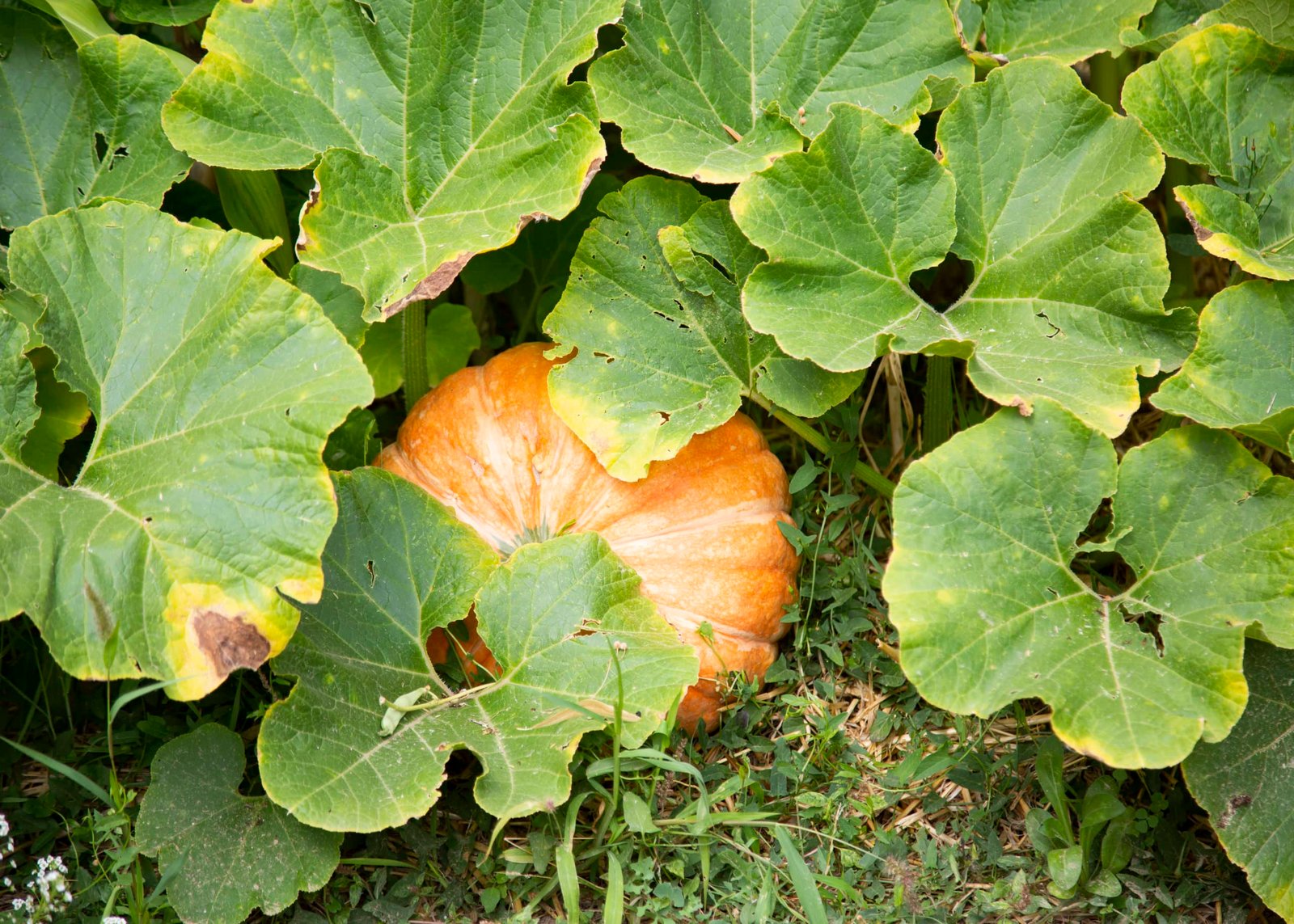
The garden is divided into eleven zones and is structured around an agroecological orchard of local varieties. Each zone corresponds to a different habitat, adapting to the characteristics of the botanical species found there. It is a living and dynamic space that evolves with the meteorological and seasonal conditions of each time of year. For this reason, depending on when you visit it, you may see it in a different state.
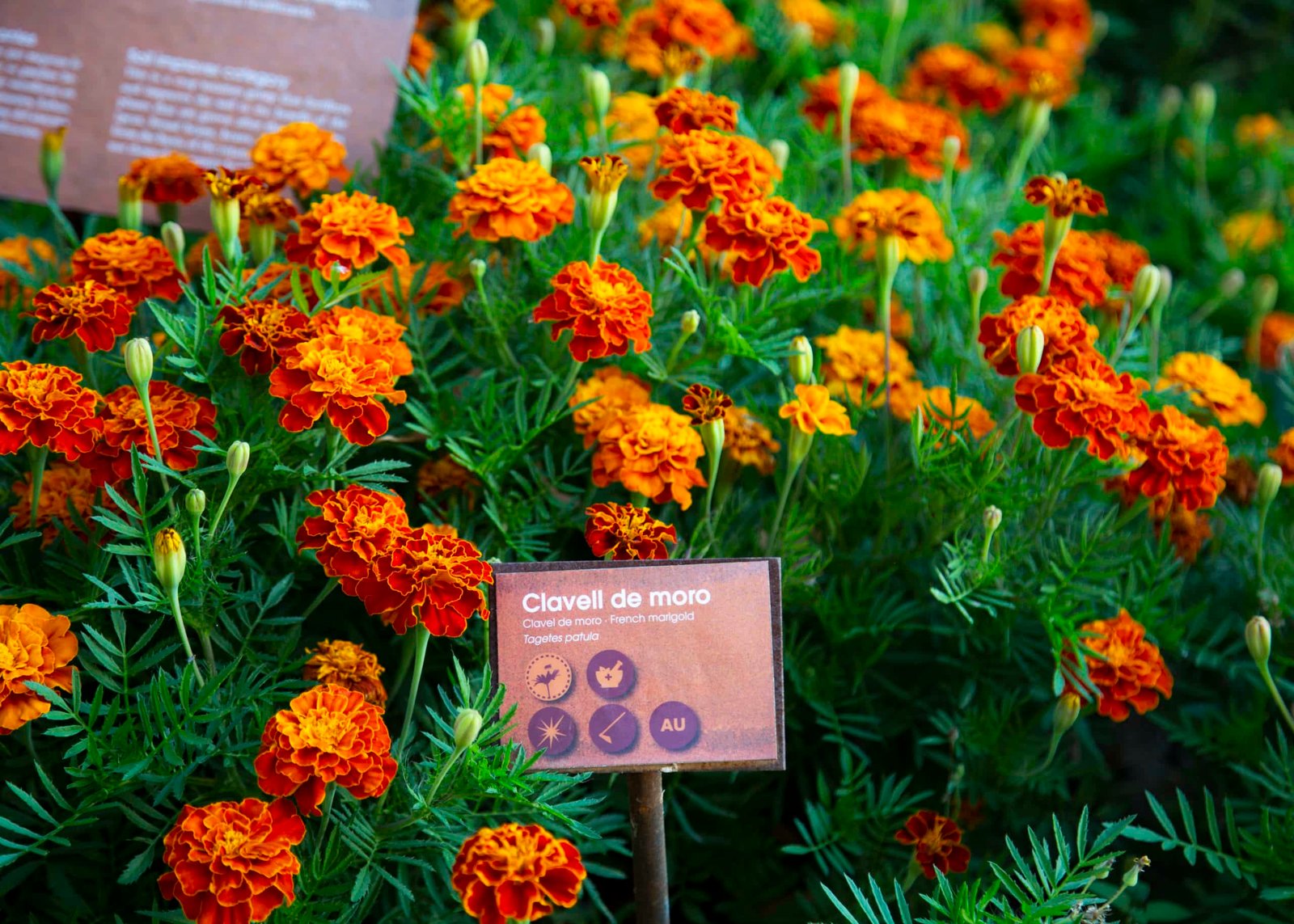
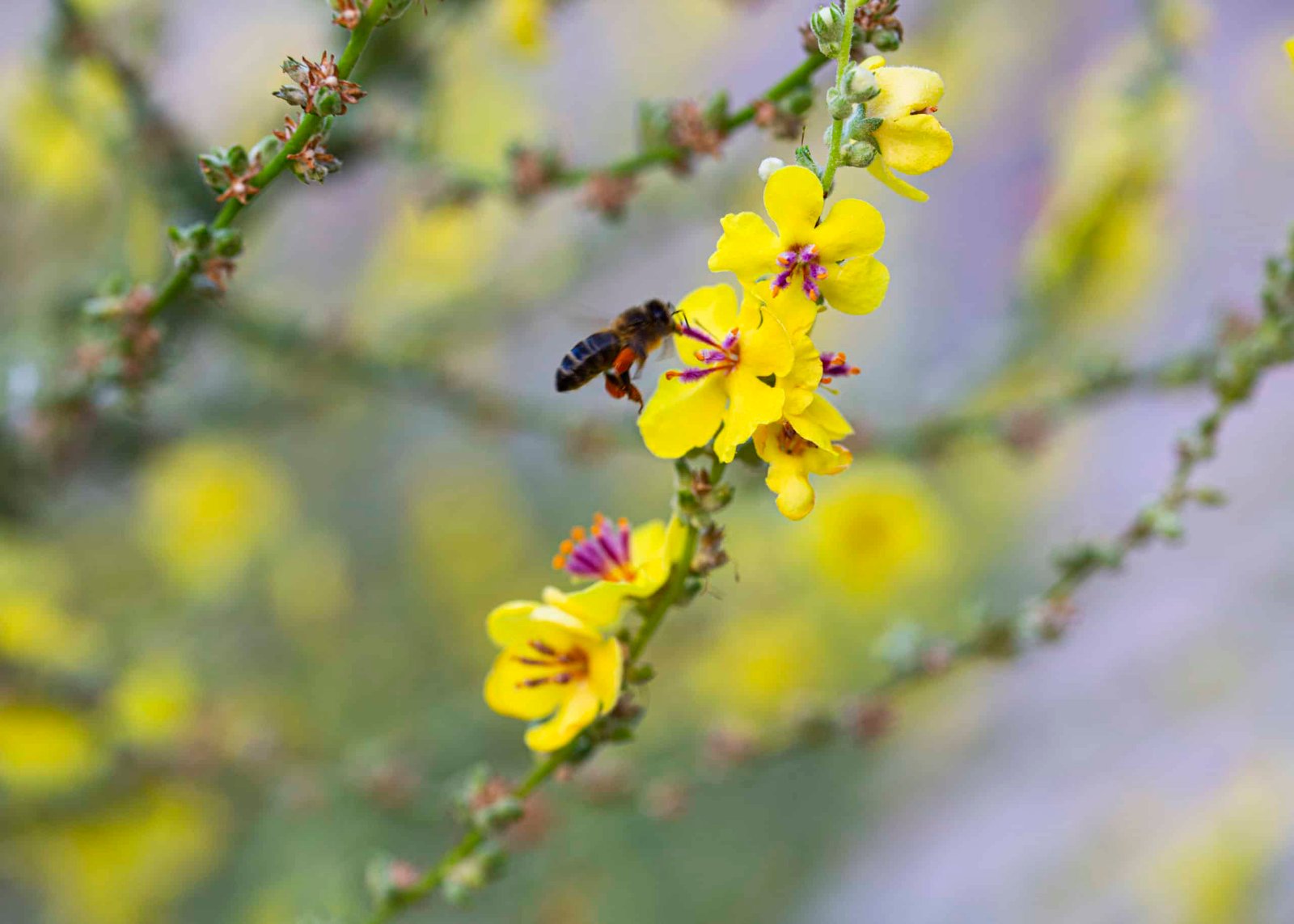
A group of plants that we cannot forget in the Museu Terra garden are the companion plants of the orchard. These are all those species not considered vegetables but which have important uses (medicinal, aromatic, etc.) and were traditionally introduced as beneficial plants to help create a balanced ecosystem within the orchard. These species, in addition to bringing color and diversity to the beds, can be a refuge for beneficial fauna during the winter months, attract insects with their flowering, or allow for the extraction of natural preparations for orchard pests and diseases. These are very important functions for the sustainability of an agroecological orchard like ours, which seeks to imitate the functioning of a natural ecosystem, where the diversity of plant and animal species living there ensures its balance and also provides fertility, refuge, food, and resilience.

Ecological vegetable patch
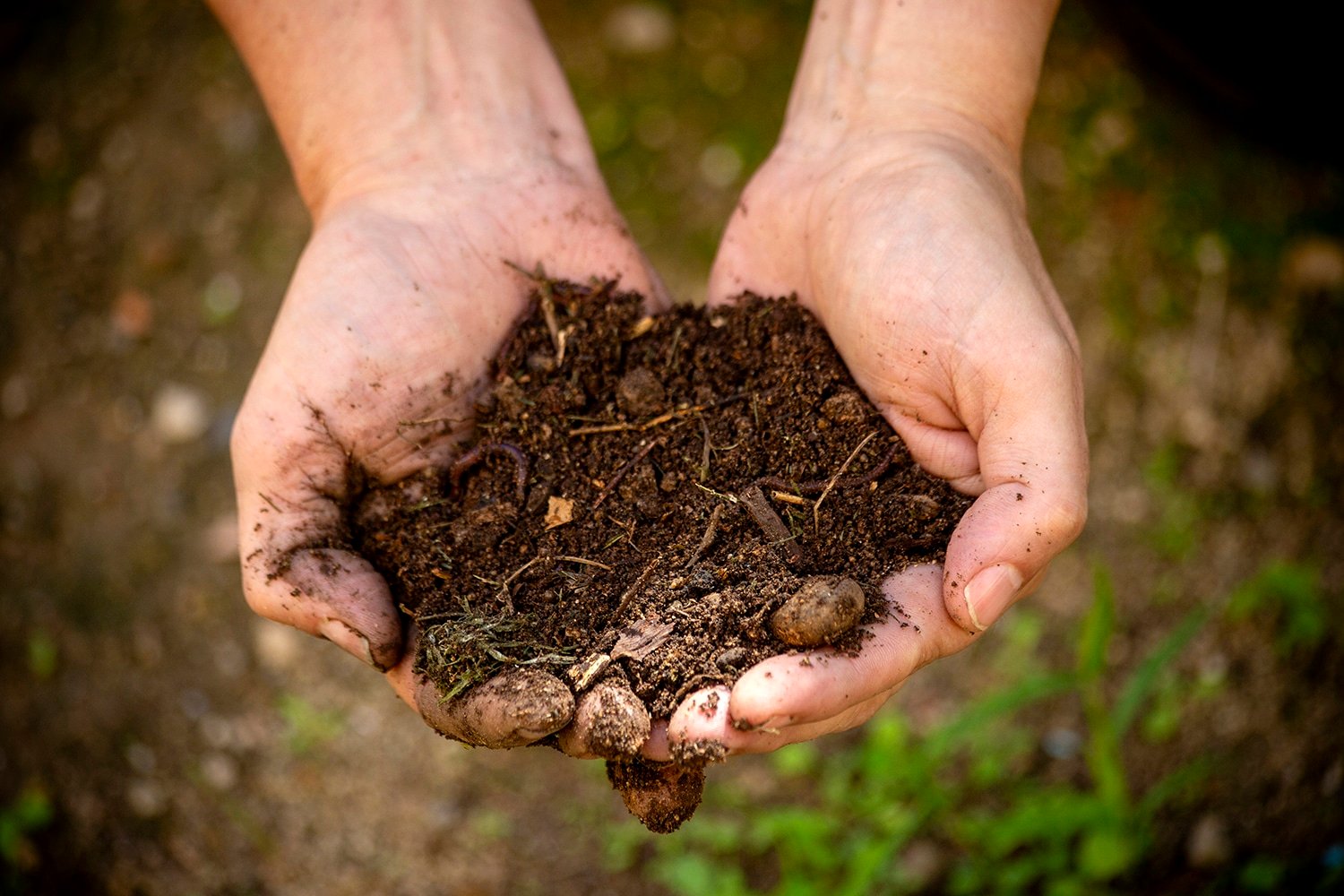
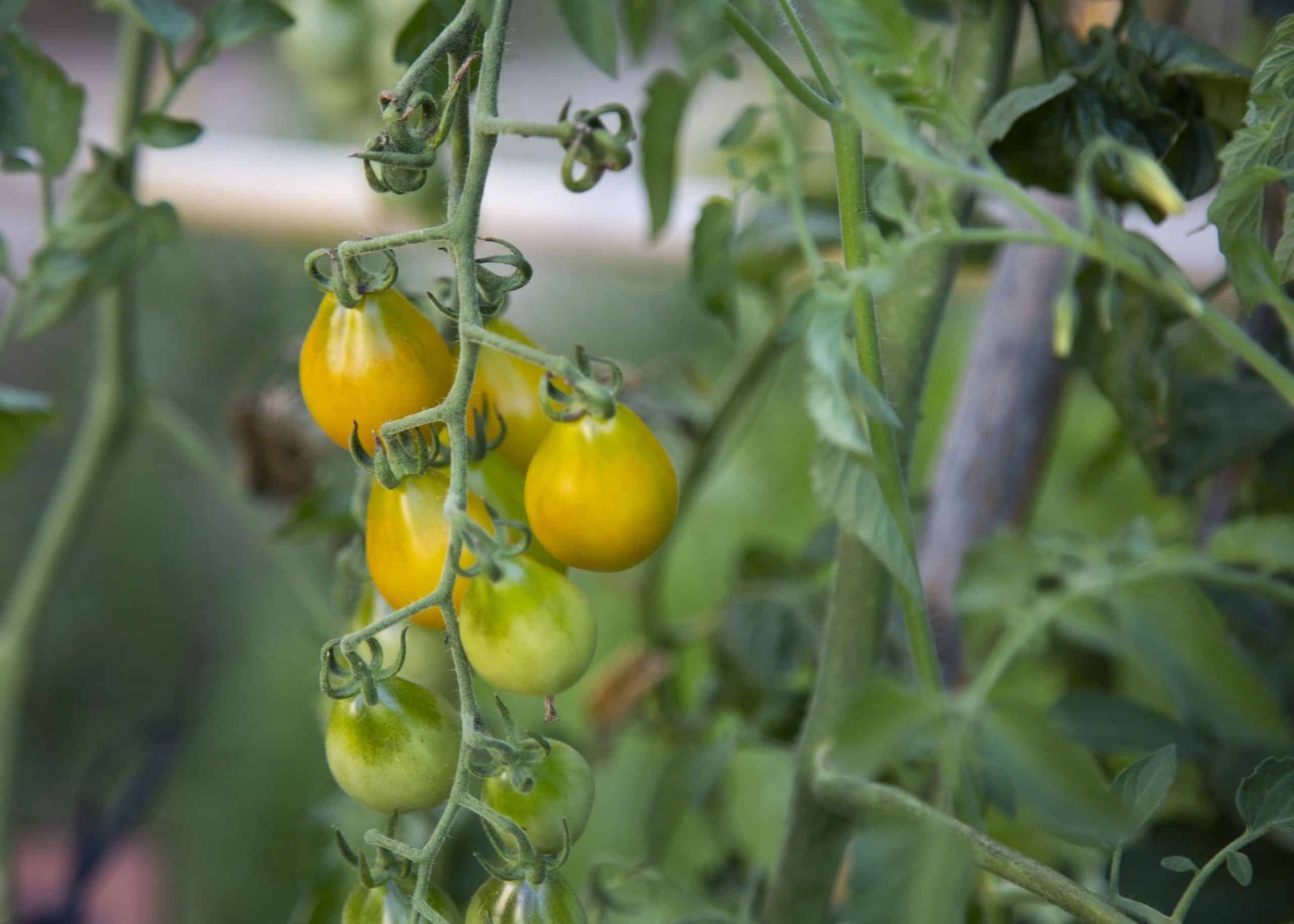
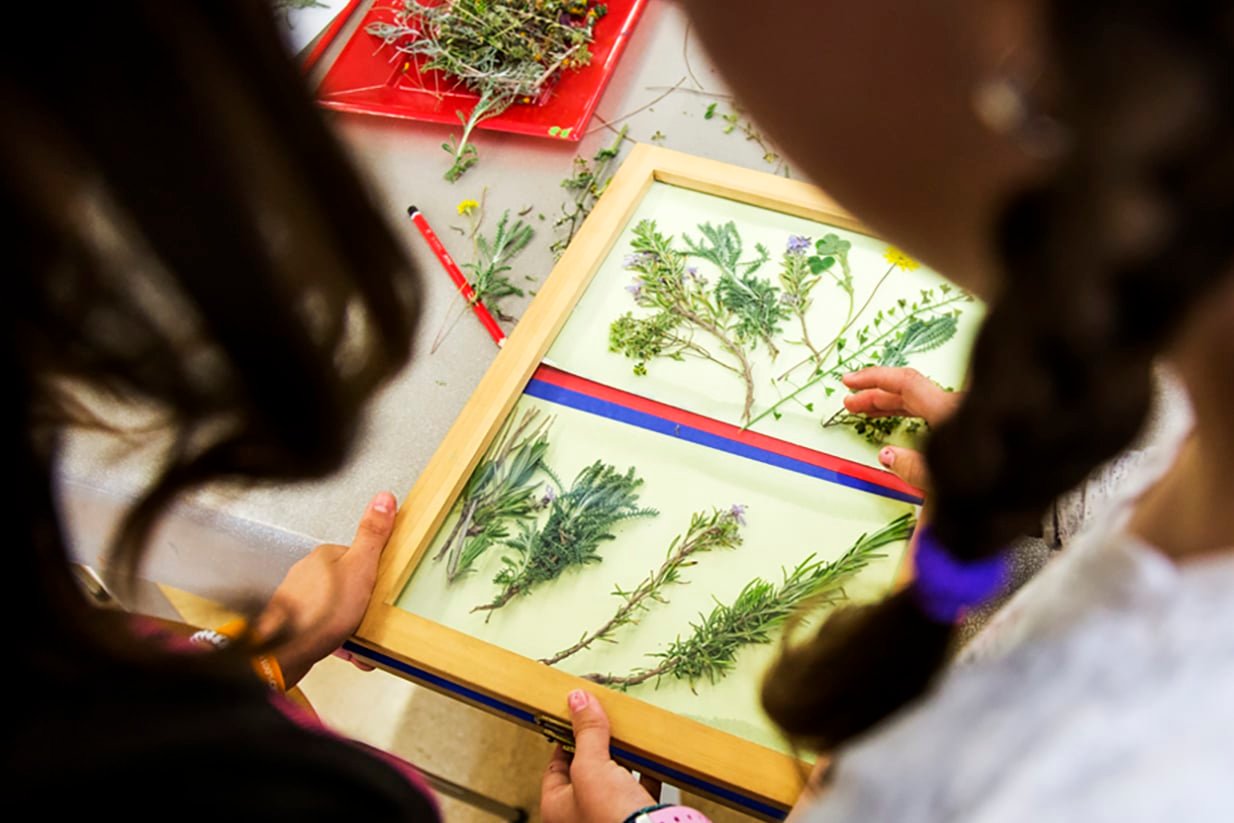
In this vein, in the Museum's orchard beds, we carry out an agroecological management, thanks to the support of L’Aresta, an agroecological, cooperative, and self-managed project from Camp de Tarragona. The management is based on the use of local varieties, the crop rotation, soil regenerative practices and associations of different species of plants. On the one hand, crop rotation maintains soil health and facilitates the control of pests, diseases, and weeds. Potential problems that would otherwise have to be solved with the application of phytosanitary products. On the other hand, through crop associations, different plants complement each other in such a way that this interaction generates stimulating effects for them, such as, for example, improving their yield or intensifying their flavors and aromas.
For centuries, the orchard has been a central element in the sustenance of families and communities in rural environments. Today, self-sufficiency gardening feeds thousands of people throughout the territory and provides us with fresh, seasonal food all year round.
As another element of the permanent exhibition, the orchard and garden of Museu Terra are fully integrated into an engaging and educational space, dedicated to the preservation of the environment and the natural resources on which our survival depends. Complementing the museum's theme, this space is presented as an open-air room that preserves the know-how that is part of our culture and must endure in our societies.
"Plants and landscape in L'Espluga de Francolí"
Written by Natacha Filippi and Guillem Figueras, this book is the result of historical and ethnobotanical research.
It can be purchased at the museum shop.

The Ethnobotanical Garden of Museu Terra
A place of living memory.
Article by Natacha Filippi in the magazine Milfulles, by Flora Catalana.
With the support of
